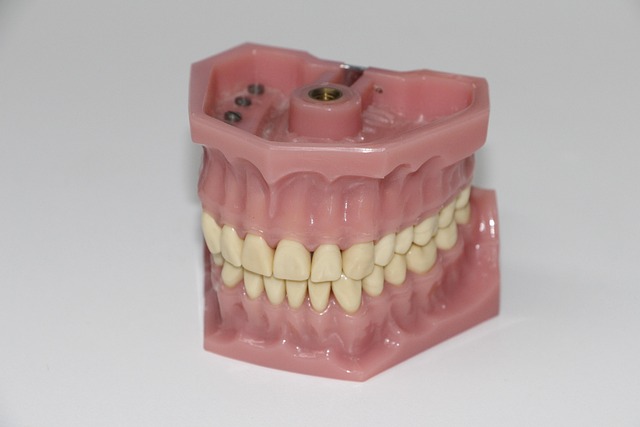
Dental fillings in McAllen address tooth decay but carry potential risks, including chronic pain, sensitivity, mercury exposure from amalgams, and filling failure. Regular check-ups are crucial to monitor health and prevent complications. Alternatives like composite fillings offer safer, durable options, yet proper oral hygiene is essential. Weighing benefits against risks, informed consent, and staying current with research ensure safe, effective treatments tailored to individual needs.
Dental fillings have long been a staple in oral healthcare, but what are the potential risks of these common treatments? In McAllen, as in many communities, access to quality dental care is essential for maintaining overall health. However, the side effects and longevity of traditional fillings warrant careful consideration. This article delves into the latest advancements and alternative solutions, offering a comprehensive guide for residents seeking safer, more effective options. By exploring innovative procedures, we aim to empower individuals to make informed decisions about their oral health, minimizing risks associated with conventional dental fillings.
- Understanding Dental Fillings in McAllen
- Assessing Safety and Potential Risks
- Types of Dental Fillings Explained
- Identifying Side Effects and Complications
- When to Consider Alternative Treatments
Understanding Dental Fillings in McAllen
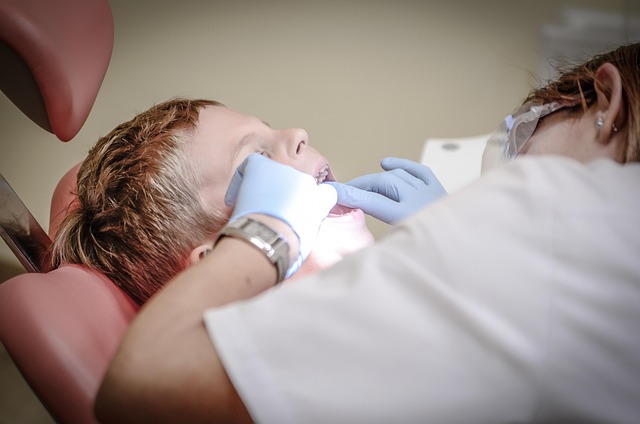
In McAllen, understanding dental fillings is essential for maintaining optimal oral health. Dental fillings are a common procedure used to restore teeth damaged by decay or trauma. However, it’s crucial to be aware of potential risks associated with this treatment, especially in light of concerns regarding metal fillings and their long-term effects. While traditional metal fillings have been the standard for decades, rising awareness about their adverse impacts on oral health has prompted a search for safer alternatives.
One significant concern revolves around chronic pain after dental filling placement. Some patients report persistent sensitivity or discomfort, particularly in the context of metal fillings used in children aged 1-3. Research indicates that up to 20% of individuals experience some form of lingering tooth sensitivity after receiving conventional fillings. This issue can be exacerbated by hot or cold foods and beverages, making everyday activities like eating and drinking uncomfortable experiences. Natural remedies for tooth sensitivity after filling placement include using desensitizing toothpaste and applying a cold compress to the affected area.
Moreover, risks associated with metal fillings have prompted a shift towards more biocompatible options. Metal amalgams, often used in the past, have been linked to various health issues, including allergies and potential toxicity due to the release of mercury during the filling’s deterioration. As such, many dental professionals now recommend composite or ceramic fillings as safer alternatives. These modern materials not only offer improved aesthetics but also reduce the risk of adverse reactions, making them particularly appealing for younger patients. Regular dental check-ups remain vital in monitoring the health of fillings and addressing any potential issues early on to prevent complications like cracking or breakdown, which could lead to further damage or infection.
Assessing Safety and Potential Risks

When considering dental fillings in McAllen, assessing safety and potential risks is paramount. While dental fillings have long been a standard procedure for restoring damaged teeth, there are notable considerations regarding their long-term effects. Studies suggest that certain types of fillings may leach toxic substances over time, potentially leading to systemic issues. For instance, amalgam fillings, once popular, have faced scrutiny due to their mercury content, which can degrade over decades, posing risks to both local and general health.
Understanding the potential risks necessitates an informed approach. In McAllen, it’s crucial to consult with experienced dentists who stay abreast of the latest research. They can advise on factors like tooth stability, decay severity, and personal health history to determine the best restoration option. For example, composite fillings, known for their aesthetic benefits and biocompatibility, are often recommended for smaller cavities, minimizing the risks associated with more invasive procedures.
Moreover, understanding dental insurance coverage is vital. Policies vary in how they handle filling removals and replacements. In McAllen, some plans may require pre-authorization or specify waiting periods between fillings. Familiarizing yourself with your policy’s terms can help manage costs and avoid unexpected financial burdens. It’s not uncommon for complications to arise from dental fillings, including sensitivity, infection, or the need for additional treatments. Regular checkups are essential to monitor these issues early, ensuring prompt resolution before they escalate.
Types of Dental Fillings Explained

Dental fillings are a common procedure used to restore teeth damaged by decay or trauma. Understanding the different types of fillings and their potential risks is essential for any patient in McAllen considering this treatment option. Composite fillings, for instance, are a popular choice due to their aesthetic appeal and ability to mimic the natural tooth structure. However, over time, these can wear down or become damaged, requiring replacement. It’s crucial to recognize that while fillings offer a solution, they don’t cure tooth decay; thus, proper oral hygiene and regular dental check-ups remain vital for prevention.
Among the risks associated with dental fillings is the potential for complications like tooth sensitivity, recurrent decay beneath the filling (a common issue), or even failure of the filling itself. To mitigate these risks, patients should practice good oral hygiene, including brushing twice daily with a fluoride toothpaste and flossing regularly. Avoiding hard or sticky foods that can put excessive strain on fillings is also advisable. Furthermore, maintaining regular dental visits enables dentists to monitor the health of fillings and detect any potential problems early on, ensuring prompt treatment and preventing more extensive procedures.
After getting a dental filling, it’s important to take certain precautions to aid healing and recovery. This includes avoiding biting or chewing directly on the filled tooth for a few days, eating softer foods, and using a soft-bristled toothbrush to minimize irritation. Signs that a filling may need replacement include increased sensitivity, pain while chewing, or visible cracks in the filling. Regular dental check-ups can help identify these issues early, allowing for timely repairs and preventing more severe oral health problems. Remember, proper care and monitoring are key to maximizing the lifespan of your dental fillings.
Identifying Side Effects and Complications

Identifying potential risks is an essential step when considering dental procedures, especially when it comes to fillings. While dental fillings are a common and effective solution for tooth decay, they are not without their complications. In McAllen or any location, understanding these risks is crucial for informed decision-making regarding your oral health. One of the primary concerns is permanent damage resulting from poorly placed fillings. This can occur if the filling material doesn’t adhere properly to the tooth structure, leading to cracks and fractures over time. For example, amalgam fillings, once considered standard, have been linked to potential mercury exposure, although modern alternatives are available that minimize this risk.
Additionally, fillings that leak or fail can cause further dental problems. This is particularly concerning as it may lead to repeated treatments in the same area. According to a study published in the Journal of Dental Hygiene Science, fillings that have leaked or failed within five years require additional intervention 65% of the time. The cost estimates for removing and replacing these fillings can vary widely, depending on the complexity of the procedure and the extent of damage caused by the leaking filling. On average, patients can expect to pay between $100 and $800 for removal, with potential additional costs for X-rays, consultations, and new fillings or crowns.
Taking proactive steps is key to mitigating these risks. Regular dental check-ups enable dentists to monitor the health of existing fillings and address any issues early on. If you suspect a filling may be leaking or causing discomfort, it’s important to seek professional advice promptly. Your dentist can perform diagnostic tests, such as X-rays, to determine if a filling needs replacement and discuss suitable treatment options. Remember, addressing dental issues at their earliest stages is often the best way to avoid more extensive—and costly—procedures in the future.
When to Consider Alternative Treatments

When considering dental fillings in McAllen, it’s crucial to weigh both the benefits and potential risks. While traditional amalgam fillings have long been a standard treatment option, recent research has prompted many dentists to explore alternatives. One key consideration is understanding the latest findings on dental filling safety. Studies continue to uncover nuances regarding the composition of various fillings, particularly in relation to biocompatibility and long-term effects. For instance, some studies suggest that certain metals used in amalgam fillings could potentially contribute to sensitivity or, in rare cases, allergic reactions over time. This evolving knowledge underscores the importance of staying informed about emerging best practices for long-lasting dental fillings.
Among alternative treatments, composite fillings have gained popularity due to their aesthetic appeal and improved durability. These modern fillings are made from a type of resin that can mimic the natural color of teeth, making them less noticeable than traditional options. Furthermore, composite fillings tend to bond well with tooth structure, distributing bite forces more evenly and potentially reducing the risk of fracture or further decay. However, it’s essential to maintain excellent dental hygiene after filling placement. Proper oral care, including regular brushing and flossing, is crucial for preventing bacteria from accumulating around the filling site, which could lead to complications like inflammation or abscess formation.
The best practices for managing dental fillings in McAllen involve a combination of professional care and patient vigilance. Dentists should provide detailed instructions on post-placement dental hygiene tips, including recommendations for using mouthwash and avoiding hard or sticky foods that could dislodge the filling. Additionally, staying current with the latest research is vital. For example, ongoing studies are exploring the long-term efficacy of different filling materials and techniques, helping professionals make more informed decisions tailored to each patient’s unique needs. By staying abreast of these developments, dentists can ensure they offer safe, effective, and durable solutions for their patients’ dental health and aesthetics.
By delving into the world of dental fillings in McAllen, we’ve uncovered essential insights about safety, risks, and available options. Understanding the potential risks associated with dental fillings is crucial for informed decision-making. Key takeaways include recognizing various filling types, their side effects, and when alternative treatments may be preferable. This article has empowered readers to navigate the landscape of oral health choices confidently, knowing what to expect and when to seek different solutions. For authoritative guidance on dental fillings in McAllen, remember to call us at 956-686-5000.