
Upgrading to an EHR system for dental practices in McAllen, TX requires strategic planning led by dental IT consulting McAllen TX experts. Key steps include assessing current workflows, data security, staff training, and technology infrastructure, choosing software tailored to specific needs, engaging vendors for support, customizing and testing the system, and prioritizing security and training. Benefits include enhanced patient care, increased efficiency (up to 30% time savings), improved scheduling, billing, and inventory management, reduced downtime, and better clinical outcomes. Continuous improvement through regular audits and cost analysis ensures long-term success.
The transition to Electronic Health Records (EHR) is a significant step for dental practices, offering improved patient care and streamlined operations. However, the process can be complex and time-consuming, particularly for smaller practices. Dental It Consulting in McAllen, TX, provides expert guidance on navigating this upgrade efficiently. Our team leverages their deep knowledge of both dental workflows and cutting-edge technology to ensure a smooth transition, enhancing record-keeping, patient engagement, and overall practice management. Trust our consulting services to unlock the full potential of EHR integration for your dental practice.
- Assessing Your Practice's Readiness for EHR Upgrade
- Selecting the Right EHR System for Dental Practices in MCallen TX
- Implementing EHR: Step-by-Step Guide and Best Practices
- Streamlining Workflow: Optimizing EHR for Dental Efficiency
- Post-Upgrade: Ensuring Success and Continuous Improvement
Assessing Your Practice's Readiness for EHR Upgrade
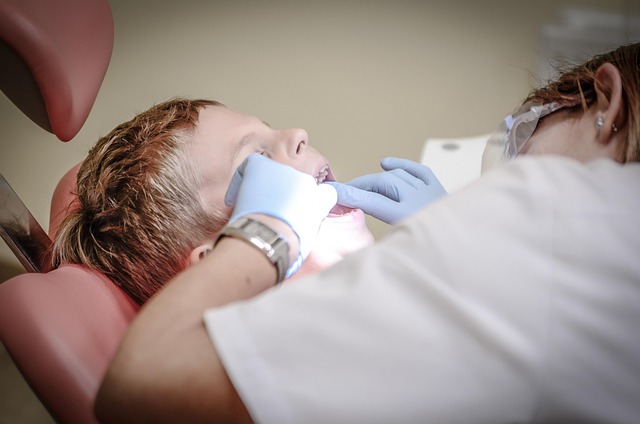
Upgrading to an Electronic Health Record (EHR) system is a significant step for any dental practice, and assessing your readiness is crucial. This process involves evaluating not just the technological aspects but also the cultural and operational changes required to ensure a smooth transition. Dental IT consulting firms in McAllen TX can provide invaluable guidance tailored to small practices, which often face unique challenges and have distinct needs.
A comprehensive EHR implementation strategy begins with an assessment that considers your practice’s current workflow, data security measures, staff training levels, and technological infrastructure. For instance, a small dental practice might require solutions specifically designed for their scale, such as cloud-based EHR systems that offer scalable storage and cost-effective plans. Adequate dental IT support for small practices is essential to mitigate risks associated with data loss or system failures during the upgrade process. This includes evaluating your existing hardware, software compatibility, and internet connectivity to ensure they meet the demands of the new EHR system.
Protecting patient data is paramount, as dental practice data protection strategies must comply with HIPAA regulations. This involves implementing robust security protocols, including encryption for both stored and transmitted data, access controls, and regular security audits. Dental IT consulting firms can recommend best practices and tools to safeguard sensitive information while ensuring compliance. For instance, a secure data backup strategy is vital to minimize the impact of potential cyberattacks or system failures.
Before initiating the upgrade, it’s advisable to conduct a gap analysis, comparing your current systems with the new EHR platform’s capabilities. This process reveals areas that require enhancement, such as improving scheduling efficiency, streamlining billing processes, or enhancing patient engagement through online portals. Engaging in this assessment proactively allows for better planning and resource allocation, ensuring a more efficient and effective EHR implementation that benefits both patients and practitioners.
Selecting the Right EHR System for Dental Practices in MCallen TX

Selecting an Electronic Health Record (EHR) system is a strategic decision for dental practices in McAllen, TX, aiming to streamline operations and enhance patient care through digital transformation. Dental IT consulting firms in McAllen offer valuable expertise in this process, ensuring practices make informed choices. When choosing an EHR, understanding your practice’s unique needs and long-term goals is paramount. This involves evaluating features like software customization to tailor the system to specific dental procedures and workflows. For instance, a practice with a high volume of complex cases may require advanced functionality for efficient coding and billing.
Dental software customization in McAllen can range from basic template designs to fully bespoke solutions, allowing practices to optimize their EHR for improved clinical documentation, patient engagement, and data analysis. This customization should align with the latest dental industry standards and regulatory requirements to avoid compliance issues. Moreover, engaging a reputable dental IT vendor who provides ongoing support and regular software updates ensures your system remains secure and efficient over time. Data from the American Dental Association (ADA) highlights that practices using integrated EHR systems experience improved patient outcomes and increased operational productivity.
Beyond functionality, consider user-friendliness and integration capabilities when selecting an EHR. A system that offers a seamless flow between modules—such as scheduling, billing, and patient records—can significantly enhance efficiency. For example, a practice in McAllen might benefit from choosing an EHR that interfaces with their existing dental software for a more unified experience. By carefully weighing these factors and seeking guidance from dental IT consulting firms, McAllen’s dental practices can efficiently upgrade to EHR systems tailored to their unique requirements, paving the way for enhanced patient care and improved operational effectiveness.
Implementing EHR: Step-by-Step Guide and Best Practices
Implementing an Electronic Health Record (EHR) system is a strategic move for dental practices to modernize their operations, enhance patient care, and improve overall efficiency. This process requires careful planning and a structured approach to ensure a smooth transition. Dental IT consulting firms in McAllen, TX, offer invaluable expertise in guiding practices through this transformation. Here’s a step-by-step guide and best practices to upgrade to EHR efficiently:
Step 1: Assess Your Current Situation and Set Clear Objectives
Begin by evaluating your practice’s current record-keeping methods, workflow, and goals. Identify the specific pain points and areas where an EHR system can bring significant improvements. For instance, a dental practice might aim to streamline appointment scheduling, digitize patient records, and improve communication with insurance providers. Setting clear objectives ensures that your EHR implementation strategy remains focused and aligned with your practice’s unique needs.
Step 2: Choose the Right EHR Software and Provider
Research and select an EHR software package tailored to dental practices. Look for features like seamless integration of dental specialties, robust patient scheduling, and efficient billing options. Dental IT consulting firms can assist in comparing different vendors based on your requirements. For instance, a vendor offering robust dental data security best practices, regular updates, and comprehensive training could be ideal. Ensure the software complies with relevant industry standards and regulations, such as HIPAA for protected health information.
Step 3: Implement with Professional Support
Engage the services of experienced dental IT consultants or support teams to handle the implementation process. These experts will configure the software, migrate existing data, and ensure seamless integration with your practice’s infrastructure. They can also provide crucial training and education for staff, addressing any concerns related to adopting new technology. Dental practice tech support in McAllen plays a vital role in troubleshooting during and after the transition, ensuring minimal disruption to daily operations.
Step 4: Customization and Testing
Customize the EHR system to fit your practice’s unique needs. This step involves configuring templates, forms, and workflows specific to your dental specialty. Conduct thorough testing, including scenario-based trials, to identify and rectify any issues before full-scale implementation. For instance, simulate patient check-in, treatment planning, and insurance claim processing to ensure the system functions as expected.
Best Practices:
– Prioritize dental data security best practices throughout the process to protect sensitive patient information.
– Provide ongoing dental IT training and education to keep staff updated on software features and changes.
– Foster open communication between practice leaders, staff, and IT consultants for a successful implementation.
Streamlining Workflow: Optimizing EHR for Dental Efficiency

Upgrading to an Electronic Health Record (EHR) system is a strategic move for dental practices aiming to enhance efficiency and patient care. Streamlining workflows through EHR optimization is key to achieving this goal. Dental IT consulting firms in McAllen, TX, offer valuable expertise in this domain, assisting practices in navigating the complex landscape of digital transformation. By leveraging advanced dental cloud computing solutions, these consultants help practices store, manage, and access patient data securely and efficiently from any location.
One of the primary benefits lies in the potential for significant time savings. For instance, a study by the American Dental Association (ADA) revealed that dentists can reduce administrative tasks by up to 30% with efficient EHR integration. This means more time for patient interactions and improved overall productivity. Dental cloud computing solutions also offer scalability, enabling small practices to access enterprise-level technology without breaking the bank. Moreover, regular dental cybersecurity risk assessments become imperative in protecting sensitive patient information. McAllen-based consulting firms can conduct these assessments, ensuring data security and compliance with healthcare regulations like HIPAA.
EHR systems can be tailored to meet the unique needs of dental practices, streamlining processes such as scheduling, billing, and inventory management. For small practices, accessing dedicated dental IT support is crucial for troubleshooting technical issues promptly. This support ensures minimal downtime, which is critical to maintaining a seamless patient experience. By implementing efficient EHR workflows, dental professionals can enhance their operations, improve patient satisfaction, and ultimately drive better clinical outcomes.
Post-Upgrade: Ensuring Success and Continuous Improvement

Post-upgrade, efficient and effective management is crucial to ensure the success of any Electronic Health Record (EHR) implementation. Dental IT consulting firms in McAllen TX play a pivotal role here, offering specialized expertise to navigate this transition phase smoothly. The key lies in strategic planning and ongoing support, addressing not just technical aspects but also ensuring dental practice tech support aligns with the unique needs of each practice.
One critical step is conducting comprehensive dental software cost analysis to understand the return on investment. This involves evaluating not only the upfront costs but also long-term expenses related to maintenance, upgrades, and potential future expansions. For instance, a study by the American Dental Association revealed that EHR adoption significantly improves patient care while reducing operational costs through streamlined processes. However, without careful planning, hidden fees can arise from unnecessary features or inadequate support services. McAllen-based dental IT consulting firms can guide practices in selecting software tailored to their specific needs and budgets.
Dental IT compliance audits are another vital component of post-upgrade management. These audits ensure the practice’s EHR system adheres to industry standards and regulatory requirements, such as HIPAA privacy rules. Regular audits also help identify potential vulnerabilities and allow for proactive measures to protect sensitive patient data. For example, a dental practice in Texas avoided significant fines by addressing security loopholes after an audit conducted by their local dental IT consulting group. By staying compliant, practices maintain patient trust and avoid legal repercussions. Continuous improvement is fostered through these audits, ensuring the EHR system remains effective and secure over time.
Upgrading to an Electronic Health Record (EHR) system is a transformative journey for dental practices, and this article has provided a comprehensive roadmap for success. By assessing your practice’s readiness, selecting the right EHR system tailored to Dental It Consulting McAllen TX’s unique needs, and implementing best practices, you can streamline operations and enhance patient care. The step-by-step guide emphasizes the importance of user training, data migration, and testing to ensure a smooth transition. Post-upgrade, continuous improvement through regular reviews and feedback ensures optimal dental IT solutions in McAllen TX. Embracing these strategies will not only facilitate efficient workflow management but also contribute to better patient outcomes and enhanced practice management.