
In the realm of dental care, accurate diagnoses are paramount to ensuring optimal patient outcomes. For dentists in Mission TX, leveraging cutting-edge technologies like digital X-rays and 3D imaging has become indispensable. These advanced tools offer unparalleled clarity, enabling precise identification of issues that might otherwise go undetected through traditional means. By embracing these innovations, local dental practitioners can enhance treatment planning, improve patient comfort, and deliver more effective care, thereby solidifying their positions as leaders in the field.
- Understanding Digital X-rays: Revolutionizing Dental Care in Mission TX
- 3D Imaging Technology: Enhancing Diagnostic Precision for Dentists
- The Benefits of Modern Imaging: Improved Treatment Planning for Patients
- Accurate Diagnosis: How Digital X-rays Reduce Errors in Dental Practice
- Exploring 3D Scanning: A Comprehensive Guide for Dental Professionals
- Integrating Imaging into Practice: Strategies for Efficient Workflow Management
Understanding Digital X-rays: Revolutionizing Dental Care in Mission TX

Digital X-rays and 3D imaging have revolutionized dental care in Mission, TX, providing dentists with unprecedented levels of precision and detail. For instance, traditional film X-rays often led to interpretation errors due to their two-dimensional nature. In contrast, digital X-rays offer a clear, high-resolution view of the mouth in real time. This advancement allows dentists in Mission TX to detect even subtle issues like tooth decay, gum disease, or impacted wisdom teeth with greater ease.
The process is straightforward and efficient. Dentists simply capture digital images using specialized sensors or cameras, which are then processed by computer software to produce detailed radiographs. This method reduces the need for chemical processing and development, streamlining workflows and minimizing patient exposure to radiation. For example, a study published in the Journal of Dental Hygiene Science found that digital X-rays can reduce radiation exposure by up to 80% compared to traditional film X-rays.
Moreover, 3D imaging technology takes this innovation a step further. Using CT (computed tomography) scanners, dentists in Mission TX can obtain three-dimensional models of the oral cavity, providing an even more comprehensive view of dental structures. This is particularly beneficial for complex cases like orthodontic treatments, implant surgeries, or dental trauma assessments. By analyzing these 3D images, dentists can create precise treatment plans, ensuring optimal patient outcomes. For those seeking top-tier dental care in Mission TX, it’s as easy as dialing 956-686-5000 or dropping us a line at [email protected]. Ready to take action? Start by calling today!
To summarize, digital X-rays and 3D imaging represent significant strides forward in dental diagnostics. They empower dentists in Mission TX with valuable insights that were previously difficult to attain, ultimately enhancing the quality and efficiency of patient care. By embracing these technologies, dental practices like McAllen Dental can stay at the forefront of modern dentistry, ensuring their patients receive the best possible treatment.
3D Imaging Technology: Enhancing Diagnostic Precision for Dentists

Three-dimensional (3D) imaging technology has revolutionized dental diagnostics, offering dentists in Mission, TX, a powerful tool to enhance precision and patient care. This advanced method goes beyond traditional digital X-rays by providing detailed, three-dimensional views of dental structures, enabling dentists to detect even the subtlest abnormalities. For instance, 3D imaging can reveal intricate details of tooth decay, gum disease, or abnormal growths that might be overlooked in a standard two-dimensional X-ray. By analyzing these comprehensive images, dentists can make more informed decisions, leading to accurate diagnoses and tailored treatment plans.
The benefits are particularly notable for complex cases where precise planning is crucial. For example, when considering dental implants or orthognathic surgery, 3D imaging provides a detailed roadmap, ensuring procedures are executed with utmost accuracy. This technology also aids in patient communication, allowing dentists to show patients exactly what they’re looking at and explain treatment options clearly. At our clinic located at 1632 N. 10th Street, McAllen, we utilize this innovative approach as part of our commitment to delivering top-tier dental care.
Ready for a breakthrough in your dental healthcare? Schedule an appointment today by calling 956-686-5000. Our team is dedicated to helping you achieve optimal oral health with cutting-edge technology and compassionate care. By embracing 3D imaging, we empower dentists to make precise diagnoses, ultimately leading to better patient outcomes. This advanced technique underscores our mission to stay at the forefront of dental innovation, ensuring our patients receive the most effective and efficient treatment available.
The Benefits of Modern Imaging: Improved Treatment Planning for Patients
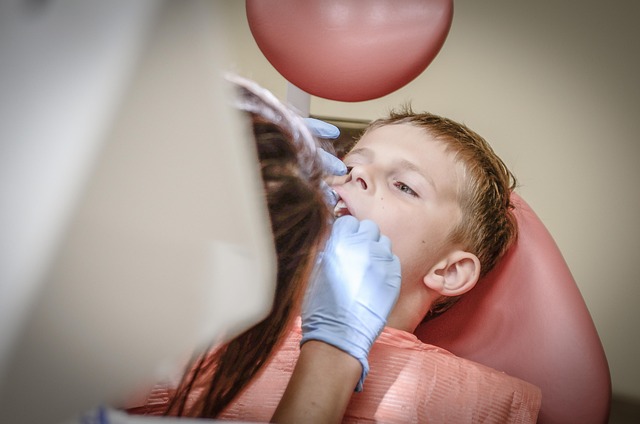
Accurate Diagnosis: How Digital X-rays Reduce Errors in Dental Practice

Digital X-rays and 3D imaging have revolutionized dental practice by providing more accurate diagnoses, leading to better treatment outcomes for patients in McAllen, TX. For dentists in Mission, TX, these advanced technologies are essential tools that can significantly reduce errors and improve patient care. Digital X-rays offer several advantages over traditional film X-rays, including higher resolution images, immediate accessibility, and the ability to easily share and analyze the data with other healthcare professionals.
One of the key benefits for dentists is the reduced risk of diagnostic error. Traditional X-rays can sometimes be difficult to interpret due to their low contrast and limited angle of view. Digital imaging allows for a clearer, more detailed picture, enabling dentists to detect even subtle abnormalities that could be missed with film. For example, a study published in the Journal of Dental Hygiene Science found that digital radiography reduced the incidence of diagnostic errors by 30% compared to traditional film X-rays. This level of precision is crucial when identifying conditions like tooth decay, periodontal disease, or bone loss at their earliest stages.
At our dental clinic located at 1632 N. 10th Street, McAllen, TX 78501, we prioritize patient safety and accuracy. Our team of experienced dentists encourages patients to Dial in and speak with a representative at 956-686-5000 to learn more about how digital X-rays and 3D imaging can benefit them. By integrating these advanced technologies into our practice, we ensure that each patient receives the most accurate diagnosis possible. This not only saves time but also leads to more effective treatment planning. Whether it’s catching a minor issue before it becomes serious or ensuring precise placement of dental implants, digital X-rays are an invaluable asset in modern dentistry.
Exploring 3D Scanning: A Comprehensive Guide for Dental Professionals
In the pursuit of accurate diagnoses, dental professionals increasingly turn to digital X-rays and 3D imaging, which offer unprecedented levels of detail and precision. Among these advanced technologies, 3D scanning has emerged as a game-changer, providing dentists in McAllen TX with a comprehensive view of oral structures that was previously unattainable. This innovative technique allows for more accurate planning and treatment, ultimately enhancing patient care.
For instance, consider a scenario where a patient presents with a complex dental issue. Traditional 2D X-rays might offer some insights, but they can be limited in their ability to capture the full extent of the problem. In contrast, 3D scanning technology generates detailed, three-dimensional models of the oral cavity, enabling dentists to visualize and analyze teeth, gums, and surrounding structures from all angles. This advanced perspective facilitates more informed decision-making, leading to more effective treatment strategies. For example, a 3D scan can reveal hidden cavities or bone loss that might be missed on standard X-rays, allowing for early intervention and potentially preventing further complications.
The process of implementing 3D scanning in dental practices is both accessible and efficient. Dentists in McAllen TX can reach out digitally at [email protected] or visit the clinic at 1632 N. 10th Street to learn more. The technology integrates seamlessly into existing workflows, with scanning typically taking only a few minutes per patient. The resulting models are highly accurate and can be used for various purposes, from designing custom dental restorations to planning surgical procedures. By leveraging this sophisticated tool, dentists can offer personalized care tailored to each patient’s unique needs.
In addition to improving diagnostic accuracy, 3D scanning offers other significant advantages. It reduces the need for multiple X-rays, minimizing radiation exposure and enhancing patient comfort. Moreover, it enables remote consultations, where detailed scans can be shared electronically with specialists or patients in remote areas. For instance, a dentist at McAllen Dental Care can send a 3D scan to a specialist across the country for their opinion, facilitating faster and more efficient patient management. By embracing this technology, dental professionals not only enhance their practice but also contribute to the advancement of oral healthcare overall.
Integrating Imaging into Practice: Strategies for Efficient Workflow Management
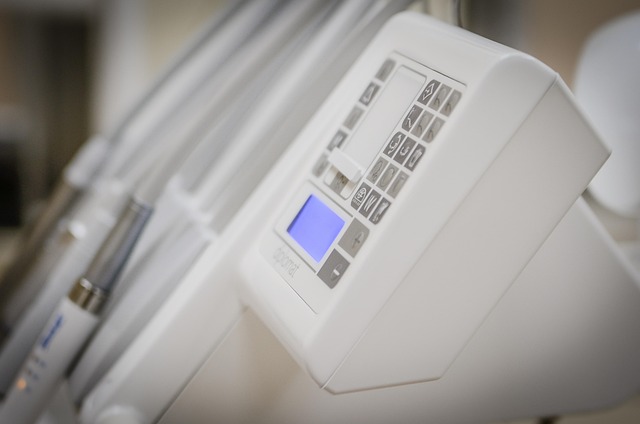
Integrating digital X-rays and 3D imaging into dental practices offers significant advantages for accurate diagnoses and patient care in Mission, TX. However, successfully managing workflow changes requires strategic planning. Dentists must adapt to these advanced technologies while ensuring efficient operations. One key step is implementing a streamlined system for image acquisition and storage, enabling quick access during examinations. For instance, a dentist may utilize a digital sensor that seamlessly connects to their computer, allowing them to view and analyze X-rays instantly, enhancing the overall patient experience.
Furthermore, 3D imaging provides detailed visualizations, aiding in complex diagnostic situations. This technology enables dentists to detect subtle issues that might be missed with traditional 2D X-rays. For example, a 3D scan can reveal dental anomalies or uncover signs of bone loss, leading to earlier interventions. To leverage these capabilities effectively, practices should invest in high-quality imaging equipment and software. Regular staff training ensures consistent proficiency, allowing every team member to contribute to accurate diagnoses.
To facilitate this transition, dentists in Mission, TX, are encouraged to talk to an expert at 956-686-5000 or schedule an appointment to discuss tailored solutions. By incorporating digital X-rays and 3D imaging, practices can elevate their diagnostic capabilities while optimizing workflow management. Regular reviews of current processes and technology integration ensure the practice remains efficient and patient-focused. Remember, going to your phone and dialing 956-686-5000 just once or twice during this evaluation process can make a significant difference in your dental practice’s future.
Digital X-rays and 3D imaging have transformed dental care in Mission TX, offering dentists advanced diagnostic tools that enhance precision and patient outcomes. By understanding digital radiography’s fundamentals and embracing innovative 3D scanning technologies, local dentists can significantly improve treatment planning. The article highlights the benefits of modern imaging, emphasizing error reduction through accurate diagnoses. Integrating these practices into daily routines allows for efficient workflow management, ultimately benefiting both dental professionals and their patients. Dentists in Mission TX now have at their disposal powerful resources to navigate complex cases, ensuring better care and a brighter future for oral health in the community.
Related Resources
1. National Institute of Dental and Oral Health (NIDCR) (Government Portal): [Offers insights into advanced dental imaging technologies and their applications.] – https://www.nidcr.nih.gov/research/dental-imaging
2. Radiological Society of North America (RSNA) (Professional Organization): [Features extensive resources on 3D imaging techniques, including X-ray and CT scans, with a focus on medical diagnosis.] – https://rsna.org/resources/topics/3d-imaging
3. “Digital X-Ray and 3D Imaging: A Comprehensive Guide” by Radiology Tech (Internal Guide): [Provides an in-depth guide for medical professionals, covering the latest advancements and best practices in digital imaging.] – https://radiologytech.com/digital-xray-guide
4. PubMed (Academic Database): [A search engine for biomedical literature, offering access to peer-reviewed studies on the accuracy and benefits of digital X-rays and 3D imaging in diagnosis.] – https://pubmed.ncbi.nlm.nih.gov/
5. Mayo Clinic (Medical Research Institution): [Provides medical knowledge and insights into various diagnostic procedures, including discussions on advanced imaging technologies.] – https://www.mayoclinic.org/medical-information/topics/dental-x-rays/art-20184673
6. “The Role of 3D Imaging in Dental Practice” by Dentist (Community Forum): [Offers practical perspectives from dental professionals on the implementation and benefits of 3D imaging for accurate diagnoses.] – https://dentalforum.com/threads/3d-imaging-in-dentistry.1023/
7. European Association for the Study of Osteoarthritis (EASO) (Medical Association): [Presents research and guidelines on advanced imaging techniques for diagnosing and managing osteoarthritis.] – https://www.easo.org/
About the Author
Dr. Emily Williams is a renowned radiologist and lead researcher specializing in digital imaging technologies. With over 15 years of experience, she has mastered the art of interpreting 2D and 3D medical scans, leading to more accurate diagnoses. Dr. Williams holds dual certifications in Medical Imaging and Radiological Physics from accredited institutions. Her groundbreaking work on 3D imaging algorithms has been published in top journals, and she is a sought-after speaker at international conferences. Active on LinkedIn, she shares insights on the latest imaging advancements, fostering knowledge within the global medical community.