
Dental fillings in McAllen offer significant oral health benefits when chosen and placed correctly. Modern biocompatible materials like composite resin are durable and low-risk, but may weaken over time. Proper consultation, regular checkups, and aftercare are crucial to minimize risks like infections and filling failure. Composite and ceramic fillings provide safe, long-lasting solutions, with good oral hygiene extending their lifespan up to 15 years. Allergic reactions are rare, but open communication during consultations is essential for addressing potential sensitivities. McAllen residents can maintain optimal oral health by staying informed about suitable filling alternatives and collaborating with local professionals.
Dental fillings are a common procedure addressing tooth decay, yet the safety of materials and potential risks remain points of contention. In McAllen, Texas, where oral health is critical for community well-being, understanding the implications of dental fillings is paramount. This article delves into the latest research on filling materials, examining their composition and possible adverse effects. By exploring alternative options and highlighting the importance of informed consent, we aim to empower McAllen residents to make crucial decisions regarding their dental care while mitigating potential risks associated with traditional fillings.
- Understanding Dental Fillings in McAllen: Basics and Benefits
- Exploring Risks and Complications: What You Should Know
- Choosing the Right Material: Safety and Durability Considerations
- Maintaining Oral Health: Prevention and Aftercare Strategies
Understanding Dental Fillings in McAllen: Basics and Benefits
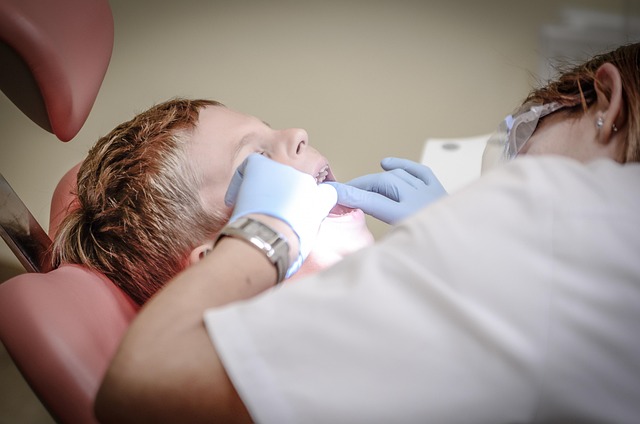
At our location at 1632 N. 10th Street, McAllen, TX, we understand that dental fillings are a common procedure, yet many patients have questions about their potential risks and benefits. Dental fillings, when done correctly, offer significant advantages in restoring oral health and functionality. The latest research underscores the safety and durability of modern dental filling materials, with advancements in technology allowing for more precise and conservative treatments.
When considering dental fillings, it’s crucial to understand that the best practices involve using biocompatible materials tailored to each patient’s needs. Composite fillings, for instance, are a popular choice due to their ability to mimic the natural color of teeth. This aesthetic advantage is just one aspect; composite fillings also offer long-term durability and resistance to fracturing. In terms of safety, recent studies have continuously confirmed the low risk associated with these materials, even when used over extended periods.
However, it’s essential to be aware of potential risks, such as allergic reactions or sensitivity to certain filling types. That’s why our team of experienced dentists in McAllen recommends a thorough consultation to discuss your unique oral health profile. By evaluating factors like tooth decay severity and your medical history, we can recommend the most suitable filling type—whether it’s composite, amalgam, or other advanced options. Regular check-ups and proper aftercare are also vital for ensuring long-lasting results and minimizing risks, such as infections or filling failure.
Exploring Risks and Complications: What You Should Know

At 1632 N. 10th Street in McAllen, TX, navigating dental health requires a comprehensive understanding of both common issues and less discussed challenges, especially when considering procedures like dental fillings. While fillings are often seen as a routine solution for tooth decay, it’s crucial to explore potential risks and complications. According to the American Dental Association, over 90% of Americans have experienced tooth decay, highlighting its pervasiveness. However, what many don’t realize is that improperly placed or aged fillings can lead to further issues, such as tooth sensitivity or even the development of new cavities beneath the filling (secondary caries).
One of the primary concerns with dental fillings is their longevity. While composite resin fillings can last for years, they are not permanent and can weaken over time, especially in areas prone to heavy chewing or grinding. This deterioration can create opportunities for bacteria to re-enter the tooth, potentially leading to further decay beneath the filling. Moreover, individuals who experience significant tooth sensitivity after a filling may be experiencing pulpal inflammation, a condition that requires prompt dental attention.
Preventing complications starts with proactive care. Regular dental checkups are paramount, as they allow for early detection of issues like tooth decay or fillings in need of repair. Additionally, practicing good oral hygiene—including proper brushing and flossing techniques—can significantly reduce the risk of new cavities forming beneath existing fillings. For those experiencing post-filling sensitivity, natural remedies such as using desensitizing toothpaste or applying a cold compress can offer temporary relief. However, if sensitivity persists, it’s essential to consult a dentist for a more thorough evaluation and potential treatment options.
Choosing the Right Material: Safety and Durability Considerations

Choosing the right material for dental fillings is a crucial decision that influences both safety and durability. When considering options, it’s essential to weigh the potential risks associated with various materials, particularly in McAllen where access to quality dental care is readily available. Dental fillings, while common, can pose risks if not chosen wisely. For instance, amalgam fillings, though durable, have raised concerns due to their mercury content, prompting many patients to seek safer alternatives.
One of the primary considerations is managing head pain and other side effects that may arise from certain fillings. Some materials, like composite resin, are known for causing less discomfort and are more biocompatible, reducing the likelihood of headaches or sensitivity post-filling. After getting a dental filling, taking precautions such as avoiding hard foods for a few days can significantly ease recovery. Additionally, maintaining proper oral hygiene around the filled tooth is crucial to prevent infection and ensure long-term durability.
Near 1632 N. 10th Street in McAllen, TX, patients have access to advanced dental care options that prioritize safety and durability. Safe alternatives to amalgam fillings include composite resin and ceramic materials, known for their beauty and longevity. These modern materials offer excellent resistance to corrosion and wear, making them suitable choices for those seeking worry-free dental solutions. By choosing the right filling material and taking appropriate precautions, patients can avoid potential risks and enjoy long-lasting oral health benefits tailored to their needs.
Maintaining Oral Health: Prevention and Aftercare Strategies
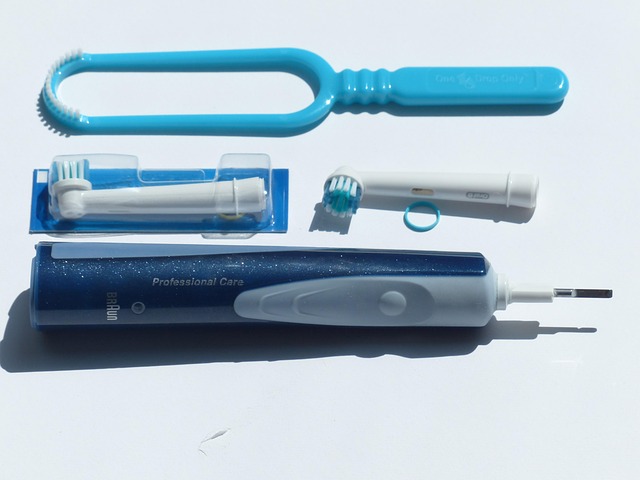
Maintaining optimal oral health is paramount for overall well-being, especially in communities like McAllen where access to quality dental care is crucial. At our location at 1632 N. 10th Street, we prioritize prevention and aftercare strategies to ensure our patients enjoy healthy, durable smiles. One common topic of interest is the potential risks associated with dental fillings, particularly when it comes to amalgam materials. While effective in sealing cavities, some individuals may experience allergic reactions or concern about long-term toxicity, prompting a search for safe alternatives to amalgam fillings near McAllen.
In recent years, there’s been a growing trend towards biocompatible options such as composite resins and ceramic fillings. These materials not only offer aesthetic benefits but also minimize the potential risks of dental fillings. For instance, composite fillings are highly versatile, lasting up to 15 years with proper care. They’re ideal for small to medium-sized cavities and can match the natural tooth color, making them less noticeable than traditional metal alternatives. When considering aftercare, it’s essential to emphasize good oral hygiene practices. Regular brushing and flossing, along with routine dental checkups, help maintain the integrity of fillings and prevent further decay or complications.
Allergic reactions to dental materials, though rare, can occur. Patients experiencing symptoms like itching, swelling, or difficulty breathing following a filling procedure should immediately seek medical attention. Local dental professionals are equipped to handle such situations, providing prompt care and guidance on managing any adverse reactions. To ensure patient safety, we advocate open communication about material preferences and potential sensitivities during consultations. By staying informed and collaborating with experienced dentists in the area, McAllen residents can take proactive steps towards maintaining oral health while exploring suitable alternatives to traditional fillings.
By delving into the world of dental fillings in McAllen, this article has equipped readers with a comprehensive understanding of both the basics and more nuanced aspects. Key insights include recognizing the benefits of fillings as a conservative treatment option for tooth decay, while also acknowledging potential risks such as sensitivity or allergic reactions to materials. Readers now grasp the importance of choosing the right filling material based on safety and durability, factors that impact long-term oral health. Furthermore, emphasis was placed on preventive measures and aftercare routines to maintain optimal oral hygiene. Armed with this knowledge, folks in McAllen can make informed decisions regarding their dental care, ensuring a healthy smile for years to come.